Fire rated Doors
Fire rated Doors
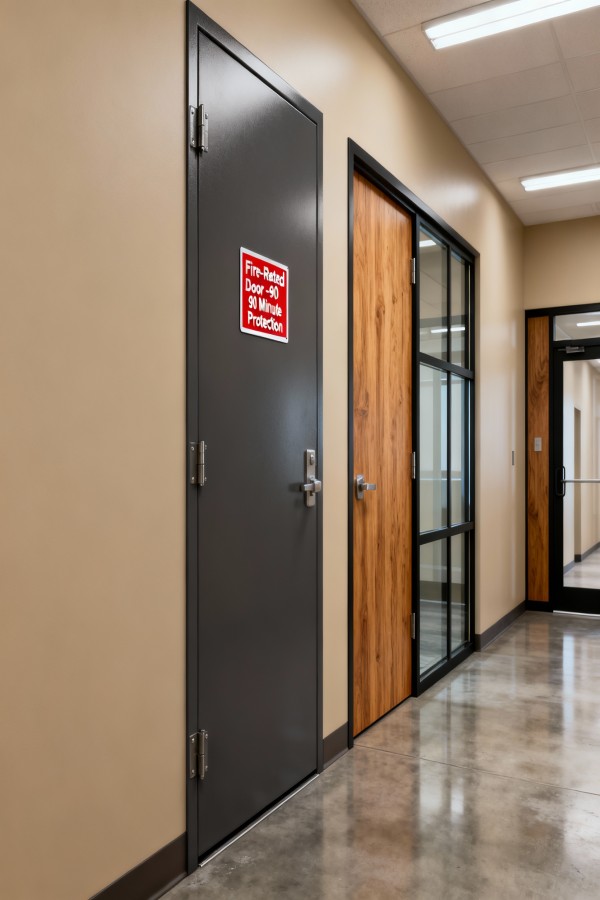
A Fire Rated Door (also called a Fire Door) is a specially constructed door designed to resist the spread of fire and smoke for a specific period — typically 30, 60, 90, or 120 minutes — depending on its rating.
These doors play a critical role in protecting escape routes, compartmentalizing fire, and allowing safe evacuation during emergencies.
Fire rated doors are tested and certified to meet the Qatar Civil Defense Department (QCDD) and international fire safety standards, ensuring reliability and performance in real fire conditions.
-
Steel Fire Rated Doors – Highly durable and ideal for industrial, commercial, and high-risk areas.
-
Wooden Fire Rated Doors – Provide aesthetic appeal with fire-resistant cores, suitable for offices, hotels, and residences.
-
Glass Fire Rated Doors – Made with fire-resistant glass and framing, allowing visibility while maintaining fire integrity.
Advance Technical Services supplies, installs, and maintains a wide range of QCDD-approved Fire Rated Doors designed to provide maximum fire protection without compromising design or functionality.
Our services include the design, fabrication, installation, testing, and certification coordination for steel, wooden, and glass fire doors, ensuring compliance with QCDD and fire safety codes.
Other Services
Explore our range of engineering and safety solutions designed to ensure reliability and protection.
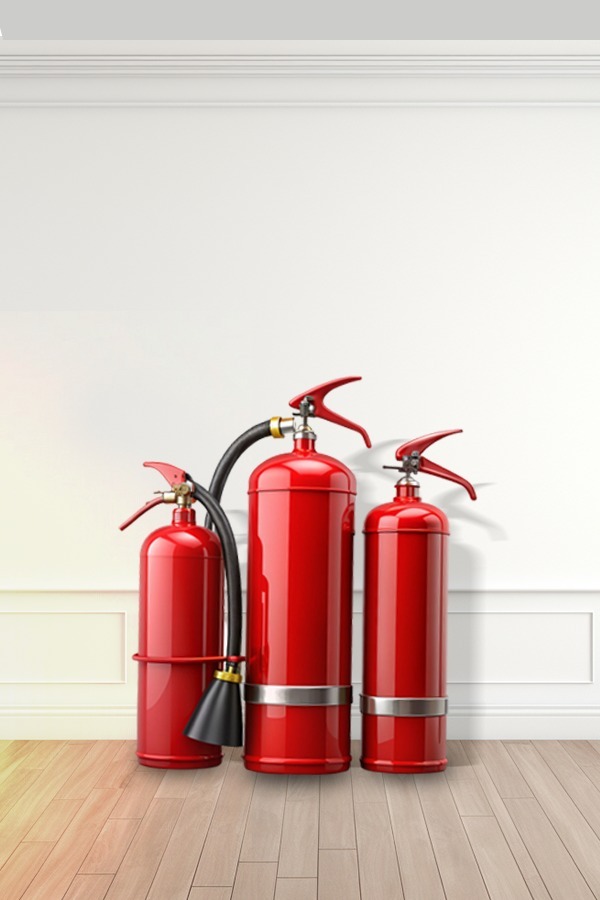
Fire Extinguishers
A fire extinguisher is a portable first-response device designed to control or extinguish small fires during emergencies. It works by discha...
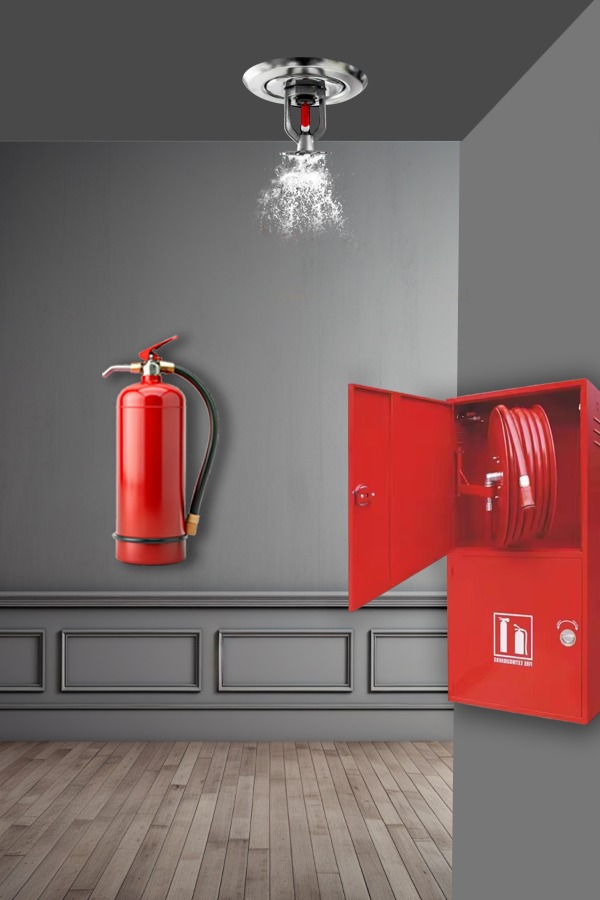
Firefighting System
A firefighting system is an integrated network of equipment, piping, water supply, and control mechanisms designed to detect, control, and e...
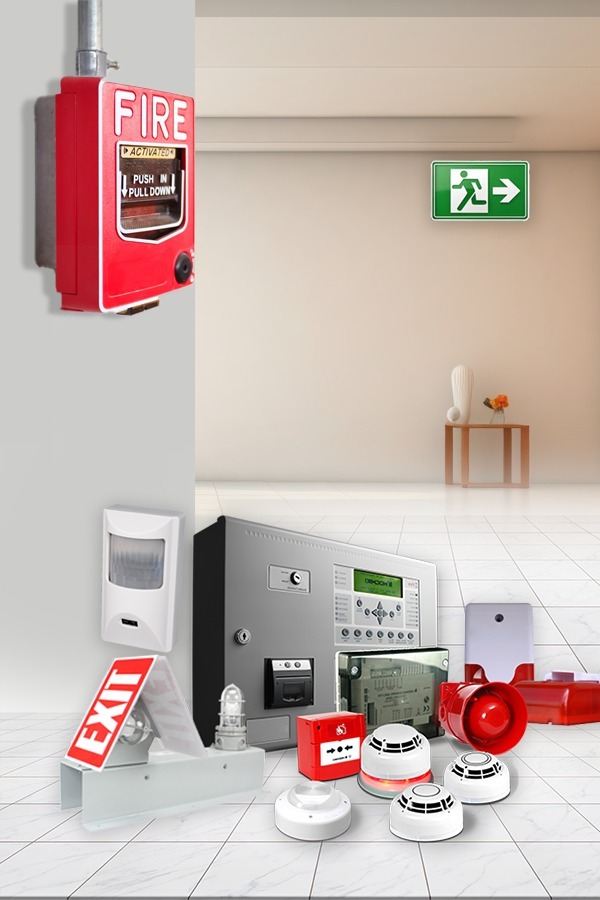
Fire Alarm & Life Safety Systems
A Fire Alarm System is a critical life-safety solution designed to detect fire at the earliest stage and alert occupants through audible and...
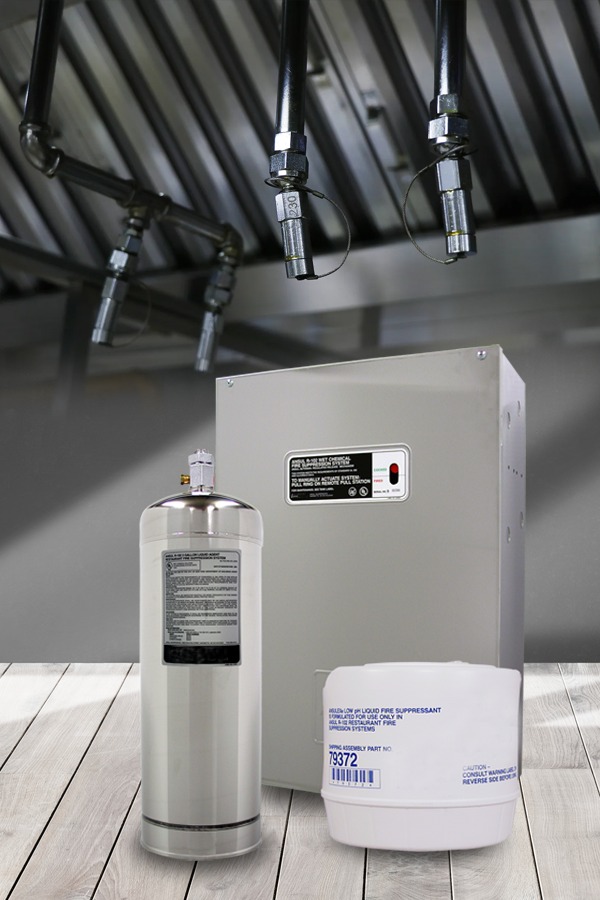
Fire Suppression System
A Fire Suppression System is an advanced fire protection solution designed to automatically detect, control, and extinguish fires before the...
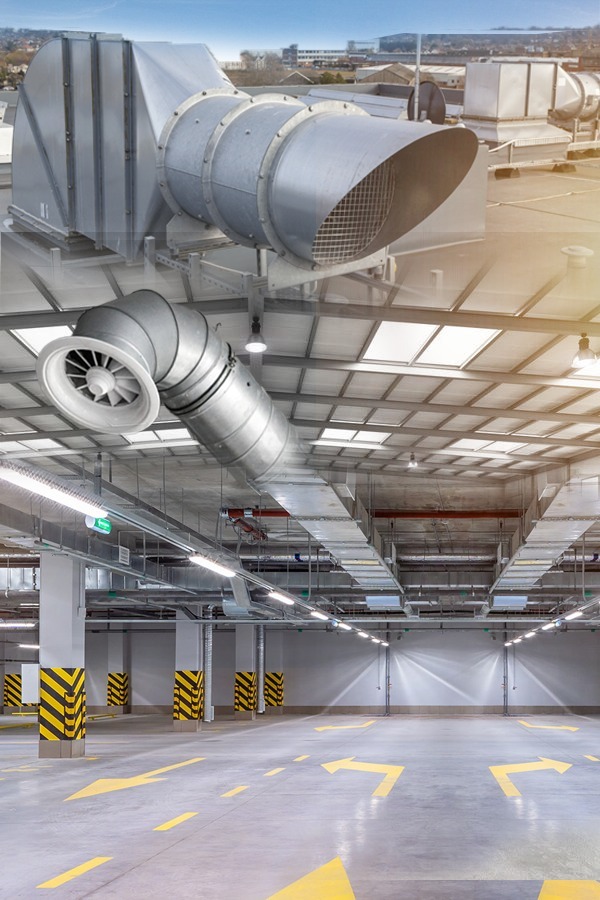
ACMV/ Smoke Management system
Smoke Management Systems—an integral part of ACMV (Air Conditioning and Mechanical Ventilation)—are engineered to control, extra...
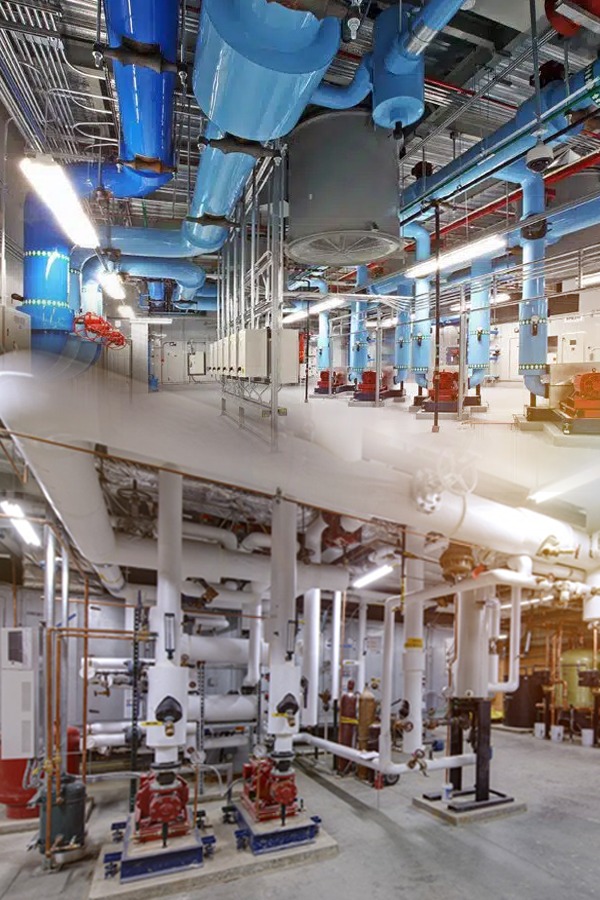
MEP Contacts & MEP Facility Maintenance
MEP (Mechanical, Electrical, and Plumbing) represents the essential building infrastructure systems that ensure comfort, safety, and efficie...

ELV System
ELV stands for Extra-Low Voltage Systems — a group of systems in a building that operate on low voltages (typically below 50V AC or 12...
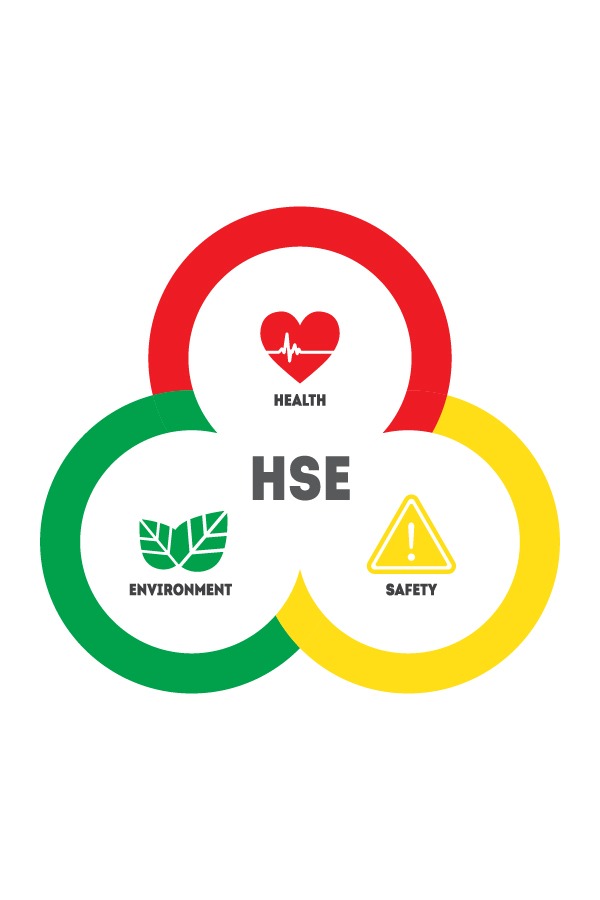
HSE Project Supports
HSE stands for Health, Safety, and Environment — a crucial discipline that ensures workplaces, construction sites, and operations are...